Africa
Waterfalls in Zimbabwe
2 waterfalls, from Victoria Falls to Mutarazi Falls — at their best February to April.
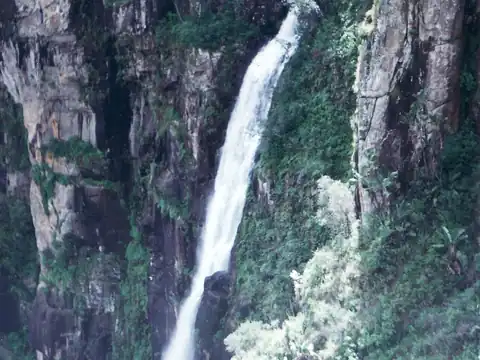
Zimbabwe holds the larger share of the view at Victoria Falls. From the Zimbabwean rainforest path, a line of viewpoints faces most of the 1.7-kilometre curtain across the chasm, from the Devil's Cataract past Cataract Island to the Main Falls, and Victoria Falls town, a short walk from the park gate, is the region's main base for the bridge bungee, gorge activities, rafting and helicopter flights. The country's other great waterfalls are in the Eastern Highlands, on the border with Mozambique: Mutarazi Falls, in its own small national park on the edge of Nyanga, which drops more than 700 metres in two tiers and is often cited as the second-highest waterfall in Africa, and the smaller Bridal Veil Falls near Chimanimani.
When to go
The Zambezi peaks from around March to May after the summer rains, when Victoria Falls is at its most powerful and the spray can hide the view; September to December is low water, when the gorge rafting runs best and the Zambian side thins out. The Eastern Highlands falls follow the rains, fullest from December to April.
Getting around
Victoria Falls Airport (VFA), 18 km from town, has flights from Johannesburg and elsewhere in the region; Livingstone on the Zambian side is a short drive across the bridge. The Eastern Highlands are a three- to four-hour drive from Harare (HRE), best with a hired car or a tour.
Entry requirements
Many nationalities, including US, UK and EU citizens, can get a Zimbabwe visa on arrival or an e-visa (single entry about US$30 for many passports), or the US$50 KAZA UniVisa, which also covers Zambia and day trips to Chobe in Botswana. Check the official Zimbabwe e-visa site for your passport before you travel.
Entry rules checked September 2026. They change without much notice — confirm with the official government source before you travel.